
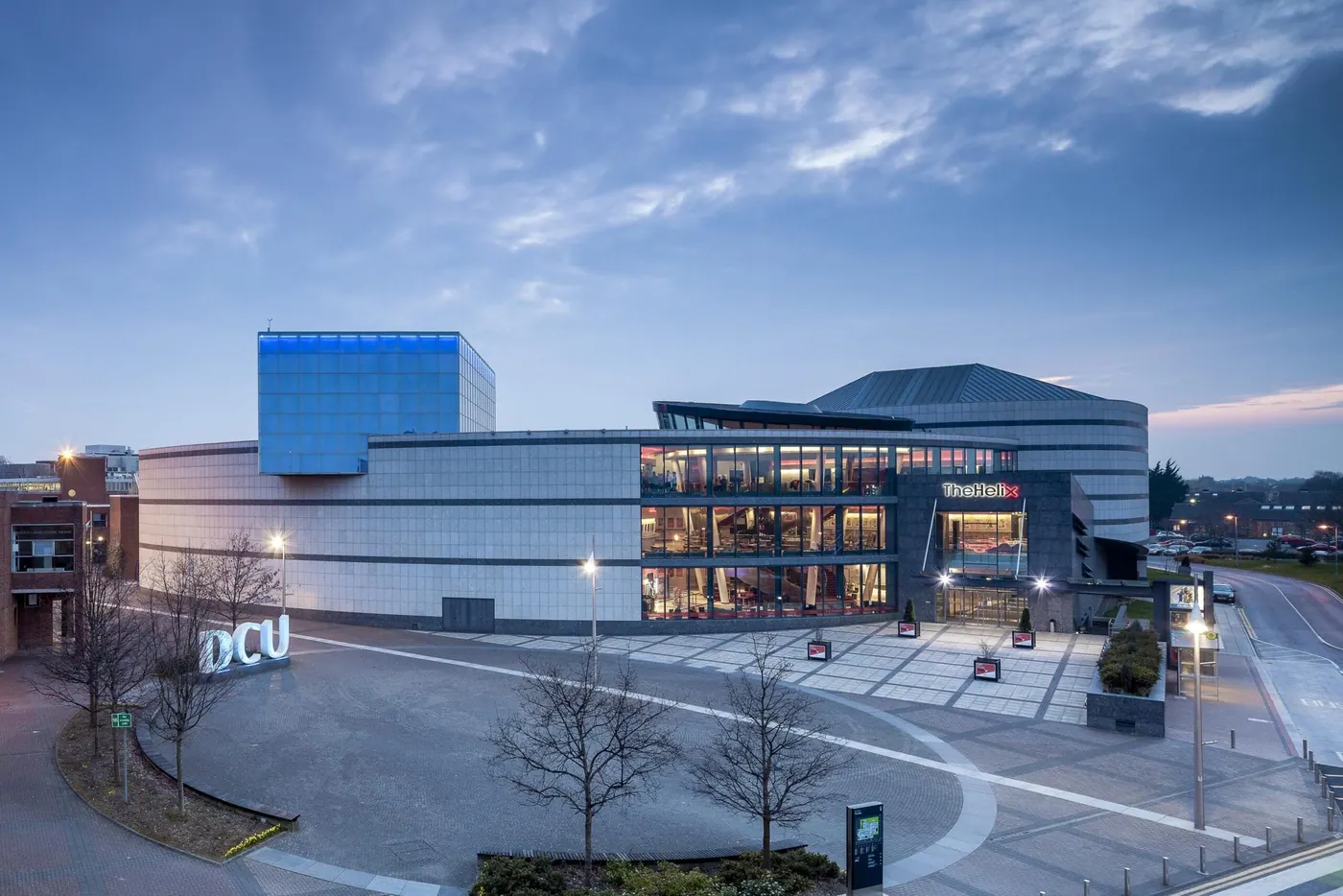
Dublin City University (DCU) is a modern, innovative university located in Glasnevin, north of Dublin city center. Known for its strong focus on research, student development, and global engagement, DCU provides a vibrant environment for academic and personal growth. This page will guide you through the various DCU accommodation options available, from on-campus housing to nearby shared apartments in student-friendly neighborhoods.
Choosing DCU accommodation near the campus provides students with easy access to the university’s state-of-the-art facilities and a dynamic social scene. Nearby neighborhoods offer a mix of affordable and high-quality housing options, with great access to shops, restaurants, and cultural attractions. Dublin’s efficient public transport, including buses and DART, makes commuting and exploring the city seamless.
With its close-knit campus community and proximity to Dublin’s many attractions, DCU is an ideal place to live and learn. Let us help you find the perfect accommodation . Our help is free. Contact StudentHouse today for personalised assistance.
DCU Accommodation Explained
Dublin City University located in Glasnevin, offers students an excellent academic experience complemented by a supportive and engaging environment. The surrounding neighborhoods provide a range of accommodation options tailored to DCU students, from modern apartments to shared housing.
Popular Areas Near DCU:
- Glasnevin: Situated right next to DCU, Glasnevin offers affordable shared housing, private rooms, and modern apartments. Its proximity to campus and local amenities makes it a top choice for DCU accommodation.
- Drumcondra: Just a short commute from DCU, Drumcondra provides a mix of shared housing and private apartments, along with vibrant cafes and local shops.
- Phibsborough: Known for its student-friendly atmosphere, Phibsborough offers affordable housing and excellent transport links to DCU and Dublin city centre.
- Santry: Located north of Glasnevin, Santry features modern apartments and shared houses, offering a quieter residential vibe close to DCU.
- Finglas: Finglas provides budget-friendly housing options, making it a popular choice for students looking for affordability and convenience.
- Dublin City Centre: While slightly further from campus, Dublin city center offers a mix of shared apartments and private housing for students who prefer urban living with access to nightlife and cultural attractions.
DCU Accommodation Options
On-Campus Residences:
Dublin City University provides several on-campus accommodation options, catering to a wide range of student needs. DCU’s residences include modern apartments with en-suite rooms, shared kitchens, and communal spaces designed for student interaction and convenience.
On-campus housing at DCU is highly sought after, particularly by first-year and international students. Applications are managed through the university’s accommodation portal, where students can select and rank their preferences. Early applications are recommended due to the high demand.
Off-Campus Student Accommodation Options
For students seeking accommodation off-campus, there are a variety of housing options that suit different preferences, budgets, and levels of independence. Below are the main types of off-campus accommodation available for students:
1. Student Dorms and Halls of Residence
- Purpose-Built Student Accommodation (PBSA): Often referred to as “student dorms” or “student halls,” these facilities are specifically designed for student living. They offer private or shared rooms with communal amenities such as study areas, lounges, and gyms. PBSA provides a supportive, student-focused environment, ideal for those who prefer structured, community-based living. Student halls are typically more expensive but often include bills and offer booking terms in line with students’ needs.
- Student Dormitory Rooms: Located within PBSA or other student-oriented residences, dormitory rooms offer a mix of private and shared spaces with essential amenities. This type of accommodation is ideal for students who prefer a social and structured setting close to campus.
2. Shared Apartments and Houses
- Rooms in Shared Apartments: Many students opt to rent a private room within a shared apartment, allowing them to balance affordability with community living. In this setup, students typically have their own rooms but share common areas like kitchens and living rooms with other tenants.
- Student Digs: Known as “student digs,” this type of arrangement typically involves renting a private room in a landlord-occupied property under a license agreement rather than a lease. It offers a more traditional, home-like environment and is often an affordable option for students. This is a popular option however a lot of landlords only offer student digs on a 5 day basis (typically Sunday evening to Thursday evening).
- Private Rooms in Shared Houses: Similar to shared apartments, renting a room in a shared house provides a home-like setting with more privacy than dorm-style accommodation. Students enjoy communal spaces within the house and benefit from a shared rental cost.
3. Entire Apartments and Houses
- Private Apartments: For students who prefer more independence, renting an entire apartment, such as a studio or one-bedroom unit, is a popular option. These apartments provide private living spaces with dedicated kitchens, bathrooms, and living areas, allowing students full autonomy over their accommodation. Studio apartments are particularly popular both within larger apartment complexes or student halls.
- Larger Shared Houses and Apartments: Some students choose to lease an entire property, such as a multi-bedroom apartment or house, with a group of friends. This setup provides a larger communal living experience where the students lease the property as a whole rather than individual rooms. It’s ideal for groups of students who want a shared yet independent living arrangement with more control over the property.
Cost of Accommodation
Accommodation costs near DCU vary depending on the type of housing and location. On-campus accommodation offers fixed rates determined by Dublin City University, while off-campus options range from €800 to €1,300 per month for a room in a shared apartment or house, with private apartments typically costing more.
| Area | 1 bed apartment | 2 bed property | 3 bed property | 4 bed property | 5 bed house |
|---|---|---|---|---|---|
| Dublin 1 | €1,831 | €2,222 | €2,816 | €3,544 | €4,095 |
| Dublin 2 | €2,088 | €2,533 | €3,210 | €4,040 | €4,669 |
| Dublin 4 | €1,963 | €2,381 | €3,018 | €3,798 | €4,389 |
| Dublin 6 | €1,791 | €2,173 | €2,754 | €3,466 | €4,005 |
| Dublin 6W | €1,701 | €2,063 | €2,615 | €3,291 | €3,803 |
| Dublin 7 | €1,664 | €2,019 | €2,558 | €3,220 | €3,721 |
| Dublin 8 | €1,729 | €2,098 | €2,658 | €3,346 | €3,866 |
| Dublin 9 | €1,625 | €1,971 | €2,498 | €3,144 | €3,633 |
| Dublin 10 | €1,455 | €1,766 | €2,238 | €2,817 | €3,255 |
| Dublin 11 | €1,512 | €1,834 | €2,324 | €2,925 | €3,380 |
| North County Dublin | €1,442 | €1,749 | €2,217 | €2,790 | €3,224 |
| South County Dublin | €1,759 | €2,134 | €2,704 | €3,403 | €3,933 |
Want help with Dublin City University (DCU) or similar places? Our help is free.
Ask us about itLiving near DCU
Dublin City University’s campus and surrounding areas offer students access to:
- Leisure Activities: Local parks like Griffith Park and the National Botanic Gardens provide scenic spaces for relaxation and study breaks.
- Cultural Attractions: Students can easily explore nearby landmarks, including the Glasnevin Cemetery Museum and Drumcondra’s historic sites.
DCU Transport Information
DCU is well-served by Dublin’s public transport network:
Public Transport Options:
- Bus: Dublin Bus routes connect DCU to the city centre and surrounding areas with frequent service.
- DART: Stations like Drumcondra provide access to the DART, connecting students to coastal suburbs and other parts of Dublin.
- Cycling:The campus features bike-friendly facilities and nearby cycling routes for eco-friendly commuting.
Students should consider using a Leap Card for discounted travel on buses, the Luas, and DART services, as well as discounts at various retailers across Dublin.
Cost of Living near Trinity
The cost of living near Trinity College Dublin can be higher compared to other parts of Dublin, particularly in central areas like Dublin 2 and Ranelagh. Students can expect to spend around €200 to €300 per month on groceries, with additional costs for utilities, entertainment, and transportation. Shared accommodation and on-campus housing can offer more budget-friendly options.
| Expense Category | Details | Cost Estimate |
|---|---|---|
| Grocery Expenses | Monthly grocery expenses; fresh produce deals at Produce Stands. | €200 - €300 / month |
| Travel Expenses | Average bus fare €3/trip; Student Leap Card for discounts. | Varies; Student Leap Card: €10 |
| Accommodation Costs | Rent for on-campus and off-campus options. | €150 - €356 / week |
| Entertainment Costs | Costs for pubs, theatre tickets, cinema, and free outdoor activities. | €0 - €25 / activity |
| Tuition Fees | Tuition fees vary by institution: DCU, UCD, Trinity, TU Dublin. | €14,000 - €53,000 / year |
| Utilities | Basic utilities for electricity, gas, and waste. | ~€85 / month |
| Broadband | Monthly broadband cost. | ~€40 / month |
| Miscellaneous Expenses | Initial costs for accommodation, rental bond, utilities, and broadband setup. | €70 - €200 (connection fees) |
Staying Safe and Avoiding Rental Scams
With rental scams on the rise in Dublin, we strongly advise all students to exercise caution when searching and applying for properties online. At StudentHouse, we offer a range of tools and services to protect students from rental scams, including property scam checks, rent escrow agreements, and landlord verification. Our sister company, SecureProp, specialises in rental scam prevention, and we use their tools and services to enhance our offering and keep students safe throughout their student accommodation search.
Need Help Finding Housing?
Tell us your preferences, and we’ll help you find top housing options near Trinity College Dublin. Our help is free – Contact Us Today
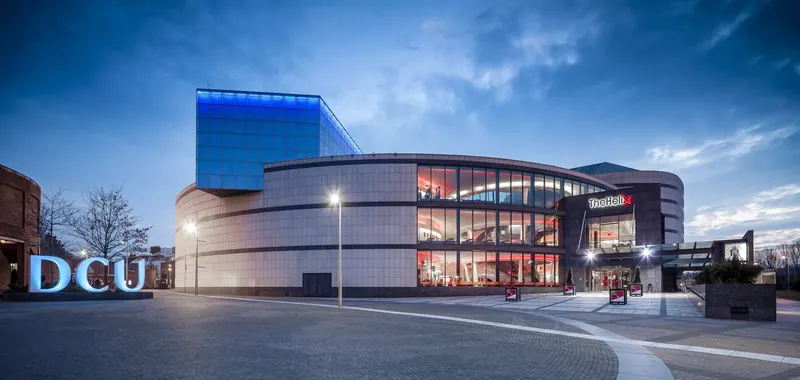
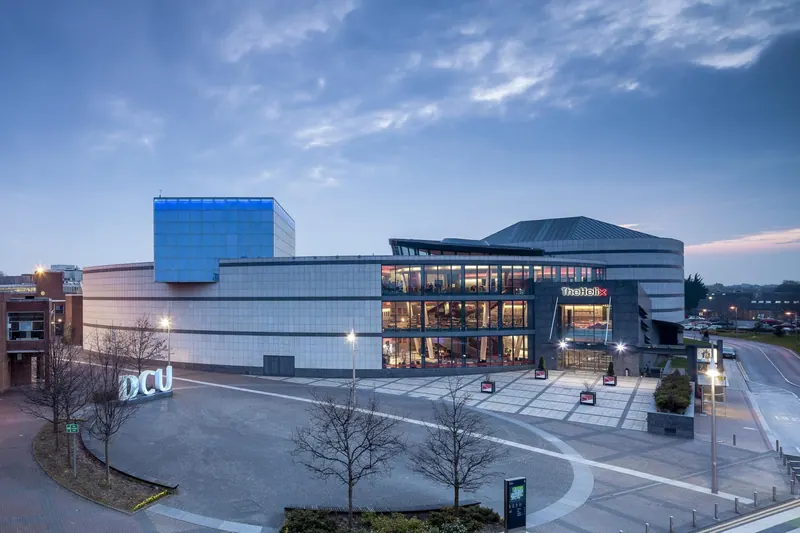
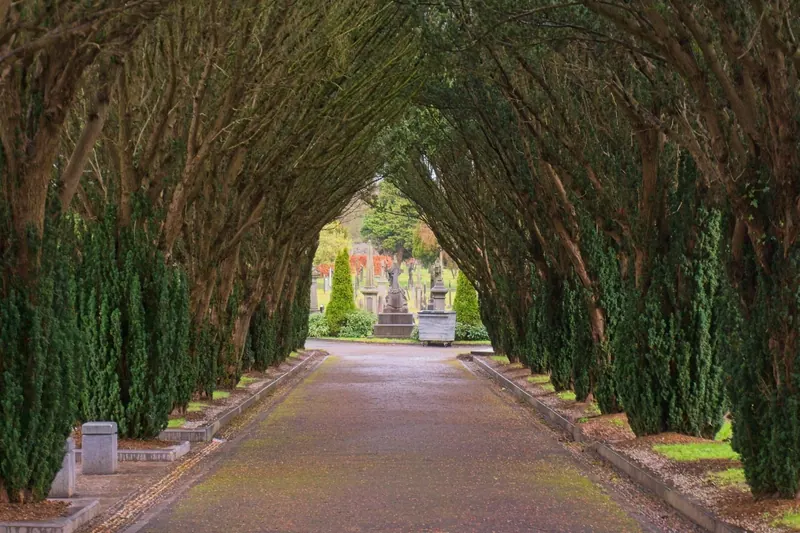
Dublin City University (DCU) photos


Quick answers
What are popular neighborhoods for DCU accommodation?
Glasnevin, Drumcondra, and Santry are among the most popular neighbourhoods for DCU student accommodation.
How much does student accommodation near DCU cost?
Costs range from €650–€1,300 per month, depending on the type and location.
What transport options connect DCU to Dublin neighbourhoods?
Dublin Bus and DART provide excellent connectivity between DCU and surrounding neighbourhoods.
What are the best student dorms near DCU?
Several purpose-built student accommodations near DCU offer modern living spaces with student-focused amenities. Contact us for recommendations.
How safe are the neighbourhoods around DCU?
Areas like Glasnevin and Drumcondra are student-friendly and safe, offering welcoming environments for DCU students.